
Hire WooCommerce Developers
A WooCommerce store is a WordPress site with money moving through it. A change that would be a cosmetic bug on a brochure site can stop orders, charge the wrong tax or email the wrong customer. Our WooCommerce developers work with that in mind: staging first, orders tested, and a way back if a release misbehaves.
The developer joins your store as a member of your team and reports to you. We employ them, equip them and arrange cover. You give instructions directly to the person who writes the code.
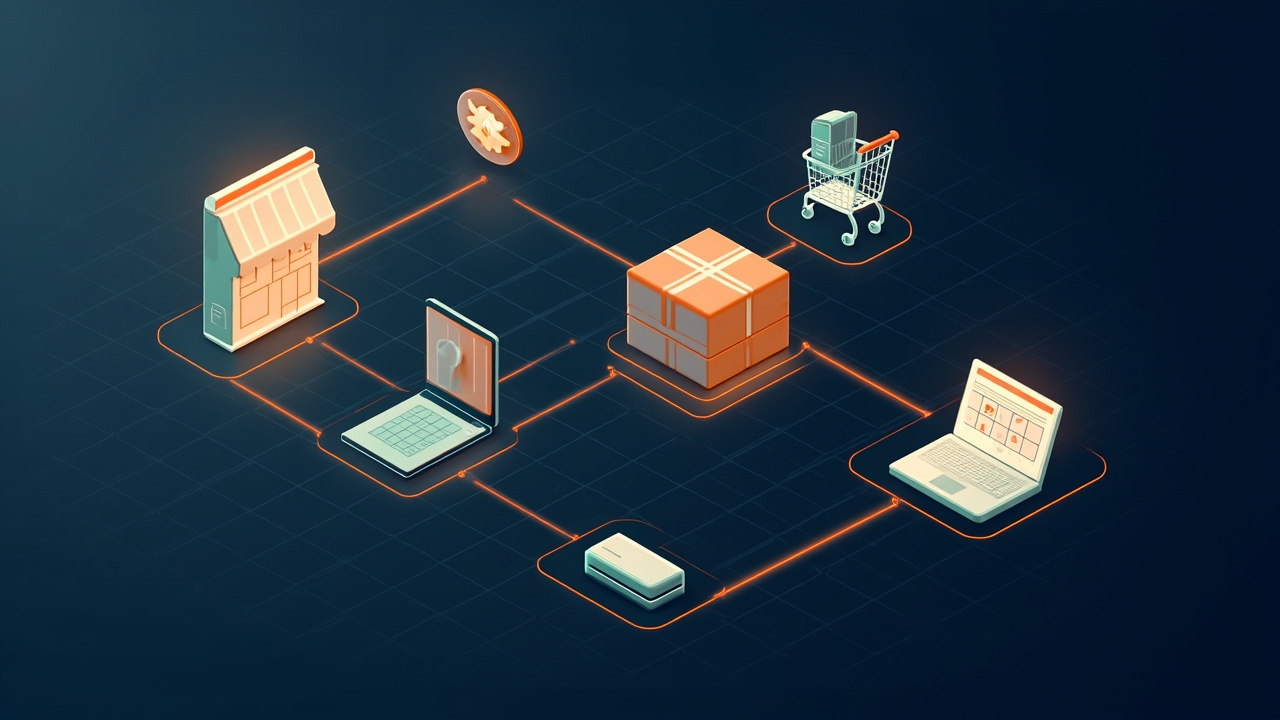
Store work you can pass to a WooCommerce developer
Store owners tend to arrive with one of the following six problems. They often overlap, which is why we ask about the whole store before starting on one part.
Checkout changes
Extra fields, conditional steps, delivery date pickers and trade-customer rules. On the block-based checkout these are built as block extensions and additional checkout fields, because many of the older PHP hooks do not run there.
Payment and shipping integrations
Gateway plugins, carrier rate lookups, label printing and tax services. We handle the failure paths too: a webhook that arrives twice, a payment that succeeds after the customer has closed the tab, a carrier API that times out.
Moving to High-Performance Order Storage
Migrating orders from the posts tables to the dedicated order tables, checking every extension for compatibility first, and replacing direct post meta queries in custom code with the order CRUD methods.
Large catalogues and slow admin screens
Stores with many thousands of products or variations need attention to indexes, lookup tables, search, and scheduled actions that have backed up. We profile the slow request and fix the cause.
Subscriptions, memberships and trade pricing
Recurring billing, customer-specific price lists, minimum order rules, quote requests and tax-exempt accounts, built on established extensions where they fit and on custom code where they do not.
Connecting the store to other systems
Stock, orders and customers synchronised with an ERP, accounting package or warehouse system through the REST API and webhooks, with a queue so that a failed call is retried and logged, not lost.
Tools a WooCommerce build depends on
A store touches payments, shipping, tax, email and search. The developer needs working knowledge of each layer listed here.
- WooCommerce
- Cart and Checkout blocksHigh-Performance Order StorageStore APIREST APIAction SchedulerWebhooks
- Payments
- StripePayPalRazorpayMollie
- Extensions
- SubscriptionsMembershipsBookingsProduct Bundles
- WordPress
- Custom pluginsHooks and filtersWP-CLIBlock themesElementor
- Data & speed
- MySQLMariaDBRedis object cacheElasticsearchCloudflare
- Delivery
- GitComposerStaging storesPHPUnitGitHub Actions
Matching seniority to the risk in your store
The more orders pass through the code being changed, the more experience the change calls for. Weigh the level against what a day of failed checkouts would cost you.
Junior
Edits product and email templates, styles the cart and product pages, loads catalogue data and fixes display bugs. Does not release changes to checkout or payments without review.
Choose when: the work is mostly presentation and a senior person signs off each release.
Mid-level
Builds custom extensions, integrates a gateway or carrier from its documentation, and tests the full order flow, including refunds and failed payments, before release.
Choose when: you know what you want built and need it delivered reliably, sprint after sprint.
Senior
Plans migrations and integrations that touch live orders, decides what runs immediately and what goes to a queue, and traces faults across plugins, hosting and third-party APIs.
Choose when: the store is your main source of revenue, or a migration is on the table.
Getting a WooCommerce developer started
Tell us about the store
What you sell, roughly how many products and orders, which gateway and which extensions. Say what is going wrong or what you want added.
Speak to a named engineer
We suggest one person and send their profile. You interview them yourself and can ask for a different match.
Try a first piece of work
Pick something limited, for example one checkout field or one slow report. It is done on staging, tested with complete order flows, then released.
Keep a steady cadence
The developer works from your board. A written summary reaches you every week, listing what went live and what is held up, and you are invoiced once a month.
WooCommerce developer rates
Our rates are published. Pick the role and move the sliders for an indicative budget.
Rate card
| Role | Hourly | Monthly* |
|---|---|---|
| Frontend / WordPress | $30 | $4,800 |
| Backend / API | $32 | $5,120 |
| Full-stack | $35 | $5,600 |
| Mobile (React Native / Flutter) | $35 | $5,600 |
| DevOps / Cloud | $40 | $6,400 |
| AI / Automation engineer | $45 | $7,200 |
| QA / Test engineer | $25 | $4,000 |
| UI / UX design | $28 | $4,480 |
*160 hrs/month full-time. Rates are indicative for planning, in USD (other currencies are converted at an indicative rate), and depend on seniority, contract length and timezone overlap. Longer engagements and multi-role teams are discounted — ask.
Is this a sensible match for your store?
We are a good choice when
- Your store takes orders every day and needs continuous care and new features.
- You have outgrown off-the-shelf extensions and need code written for your rules.
- You want one developer who learns your store, not a different person for each ticket.
- You build stores for clients and need extra WooCommerce capacity behind the scenes.
Look elsewhere when
- You are selling a handful of products and a hosted shop builder would cover it.
- You need a single plugin installed and configured once.
- You expect changes to go straight to the live store without a staging copy.
- You need a developer sitting with your team in person.
Common WooCommerce questions, with plain answers
Should we switch to the block-based checkout?
It depends on your extensions. The block checkout is the default for new stores and is where new features land, but extensions written for the shortcode checkout may not show their fields in it. We list what you have installed, check each for block support, and tell you what would need replacing.
What is High-Performance Order Storage and do we need it?
It stores orders in their own database tables, where older stores keep them alongside posts and pages. Order queries become faster on busy stores. New installations use it by default. Older stores can migrate once their extensions declare compatibility.
Can WooCommerce handle a very large catalogue?
Yes, with suitable hosting and some care. The usual trouble spots are variations in the tens of thousands, filters that query post meta, and search. These are solved with lookup tables, a search engine and object caching, not with a bigger server alone.
How do you test changes to payments?
On a staging copy, using the sandbox or test mode of the gateway. Successful payments, declined cards, refunds and delayed webhooks are all run before anything reaches the live store.
Does the code belong to us?
Yes. Custom extensions and theme code are committed to your repository and are yours under the agreement. Paid third-party extensions remain licensed to you by their vendors.
What if the developer becomes unavailable?
We arrange a replacement and you approve the person, as you did at the start. Because work is tracked in your tools and committed to your repository, the new developer can see what was done and why.
Tell us what your store needs
Send the store address, the gateway you use, and a short description of the problem or feature. That is enough for a first conversation. We reply within one business day.