
Software Product Development
A product is different from a project. A project ends when the client signs it off. A product starts its real life on the day strangers begin using it, and most of what you need to know arrives after that day.
So we build products in two movements. First, the smallest release that lets a paying or committed user finish one valuable task. Then, with usage data and support tickets in hand, a second version that fixes what the first got wrong.
We are engineers, not investors or growth advisers. We will challenge scope and tell you what is expensive. Whether the market wants the product is your call.
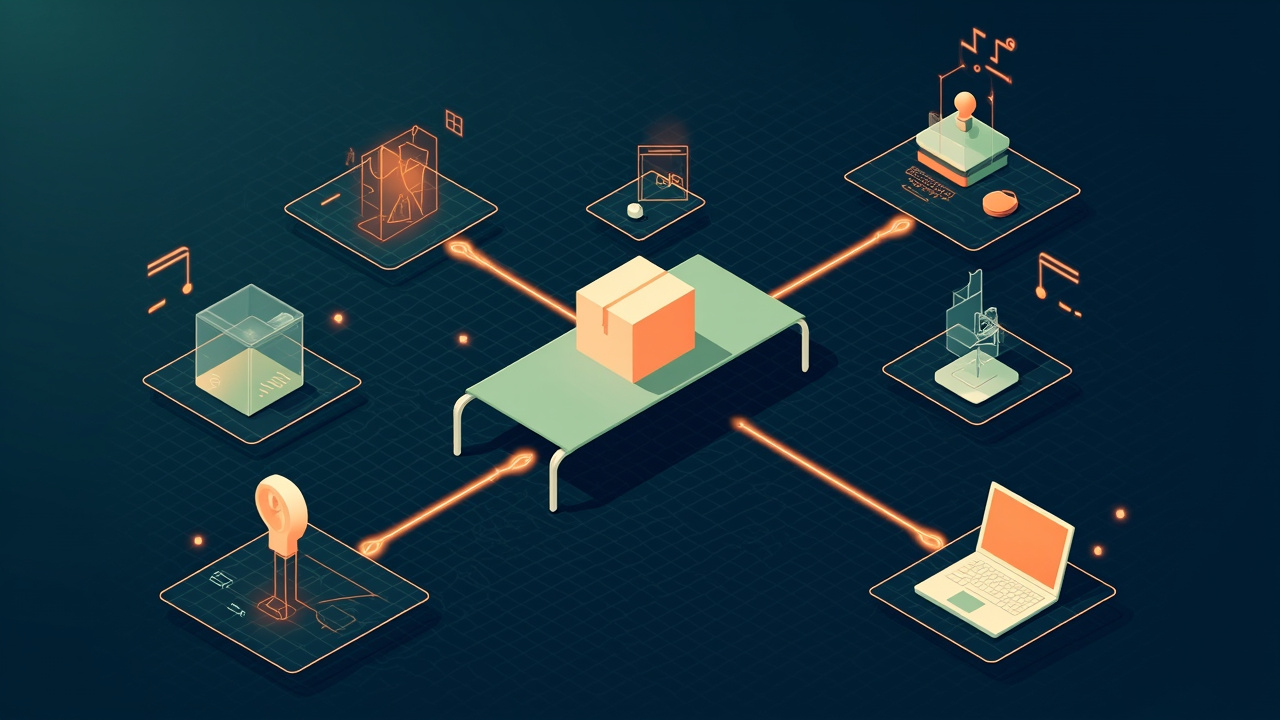
MVP to version 2
Six steps. Steps four and five are the ones founders most often skip.
Frame the bet
In a paid discovery we write down who the user is, the one task they will complete, and what result would tell you to continue or stop.
Cut the scope
Everything not needed for that task goes to a later list. Admin screens can be a database tool at first. Billing can be a manual invoice.
Build the first release
Two-week cycles, each closing with a demo on a staging address. A fixed price is possible here once the release is defined.
Instrument it
Event tracking on the key steps, error reporting and a simple funnel view. Without these you are guessing at version 2.
Watch and talk
A few weeks of real use. We fix defects; you speak to users. Both feed one ranked backlog.
Version 2
Pay down the shortcuts that hurt, add what users asked for twice, and remove what nobody touched.
Decisions we will push you on
Each one saves money early or costs money late. Better to argue about them in week one.
One tenant or many
Separating customer data properly is cheap at the start and painful to retrofit. If you sell to businesses, decide now.
Buy the commodity parts
Sign-in, payments, email delivery and search can be rented from a provider. Write only the part that makes your product different.
A monolith first
One deployable application is easier to change while the idea is still moving. Splitting into services can wait until a real bottleneck appears.
Web before mobile
A responsive web app reaches every device on day one. A store app follows when usage shows it is needed.
Pricing in the data model
Plans, trials and limits touch many tables. Even if billing is manual at launch, the model should know what a plan is.
What to measure
Pick a handful of events tied to the bet. Tracking everything produces dashboards nobody reads.
Are we the right team for your stage?
We work well with
- A founder who can describe the user and the problem in two sentences.
- A product company that needs extra hands on a defined part of the roadmap.
- Someone available to make product decisions every week.
- A budget that covers the first release and several months after it.
We are the wrong choice if
- You want a technical co-founder paid in equity. We invoice for our time.
- You need help raising money or finding customers.
- The whole budget will be spent before launch, leaving nothing for changes.
- The specification is frozen and feedback from users will not alter it.
Held in your name from the start
Investors and acquirers ask about these during due diligence. It is easier when the answers are simple.
- The source repository and its full history
- Cloud hosting account and billing
- Domain name and DNS
- Payment provider account
- App store developer accounts
- Analytics and error-tracking accounts
- Design files
- Architecture notes and a decision log
Founders ask us
How much does an MVP cost?
It depends on the scope agreed in discovery. We publish hourly rates so you can do the arithmetic yourself, and after discovery we can quote a fixed price for a defined first release.
Will you sign an NDA before we talk?
Yes. Confidentiality and ownership terms are also written into the agreement signed before work begins.
Can we hire our own engineers later?
We expect you to. Code is committed to your repository with documentation, and we will work alongside your first hires during the handover.
What if we need to pause?
Engagements run month to month. Tell us before the next month begins and the team stops at the end of the current one. Everything produced stays with you.
Do you add AI features?
Where they help the user, yes. Language models make mistakes, so anything sent to a customer or involving money is reviewed by a person. AI and automation work is $45 an hour on the rate card.
Work out your monthly burn
Our rates are published. Pick the role and move the sliders for an indicative budget.
Rate card
| Role | Hourly | Monthly* |
|---|---|---|
| Frontend / WordPress | $30 | $4,800 |
| Backend / API | $32 | $5,120 |
| Full-stack | $35 | $5,600 |
| Mobile (React Native / Flutter) | $35 | $5,600 |
| DevOps / Cloud | $40 | $6,400 |
| AI / Automation engineer | $45 | $7,200 |
| QA / Test engineer | $25 | $4,000 |
| UI / UX design | $28 | $4,480 |
*160 hrs/month full-time. Rates are indicative for planning, in USD (other currencies are converted at an indicative rate), and depend on seniority, contract length and timezone overlap. Longer engagements and multi-role teams are discounted — ask.
Start with the user and the task
Write two or three sentences about who the product is for and what they will do with it. A pitch deck is optional. We answer within one business day.