
Digital Transformation
The phrase has been stretched to cover almost anything. We use it for something specific: replacing paper, spreadsheets and re-typing with systems that share one set of data, so people spend their day on decisions instead of copying.
Large programmes that try to change a whole company at once tend to stall. We prefer to pick one department, improve one process, measure the difference and then choose the next.
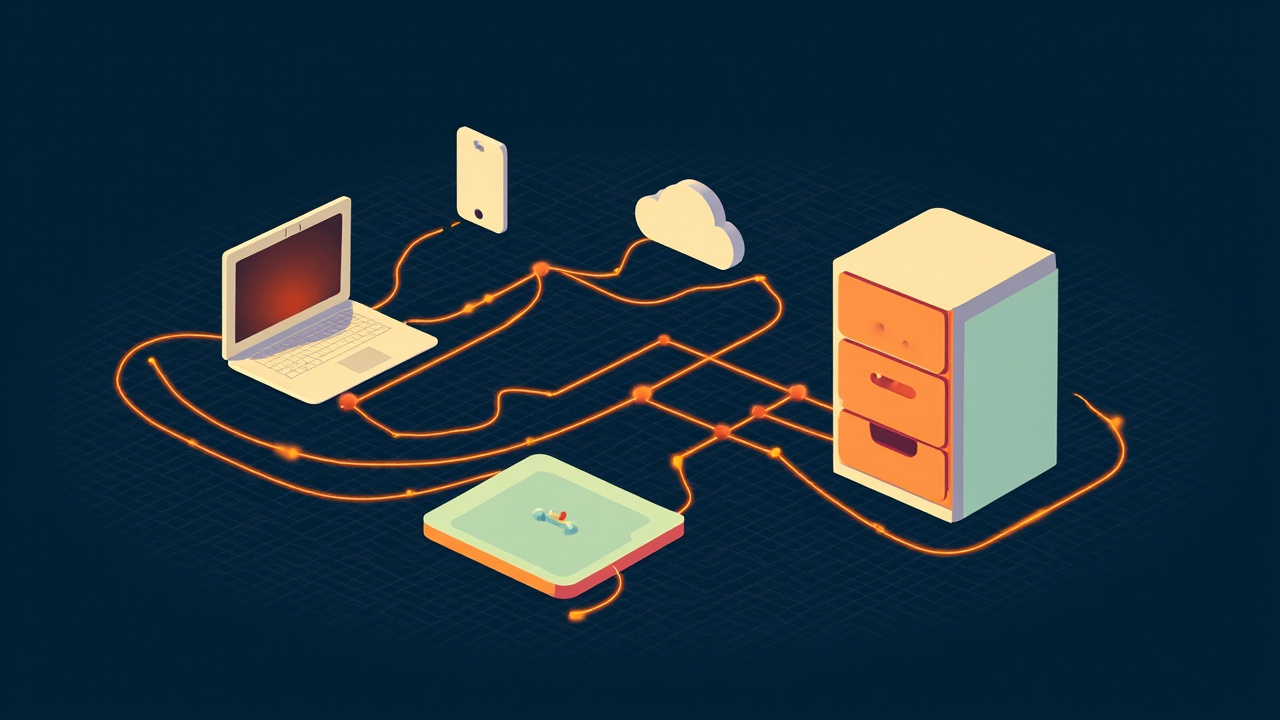
One process at a time
Watch the work
We sit with the people who do the job and record what really happens, including the workarounds.
Choose one target
The process with the most waste and the least risk goes first. It should show a result within weeks.
Change it and measure
Build or configure the replacement, run it alongside the old way, and compare time and errors.
Decide what is next
With one result in hand, the next choice is easier to make and easier to fund.
The pieces involved
Why these programmes fail
Software bought before the process is understood
The licence is signed, then the team discovers the product assumes a way of working they do not have.
Nobody owns it
A project with a committee and no single responsible person drifts until the budget is gone.
The people doing the work were not asked
They know where the process breaks. Systems designed without them get bypassed.
Everything at once
Replacing accounts, stock and customer records in one go multiplies the risk of each.
Which process costs you the most time?
Describe it in a few lines. We will say whether it is a good first candidate. We reply within one business day.